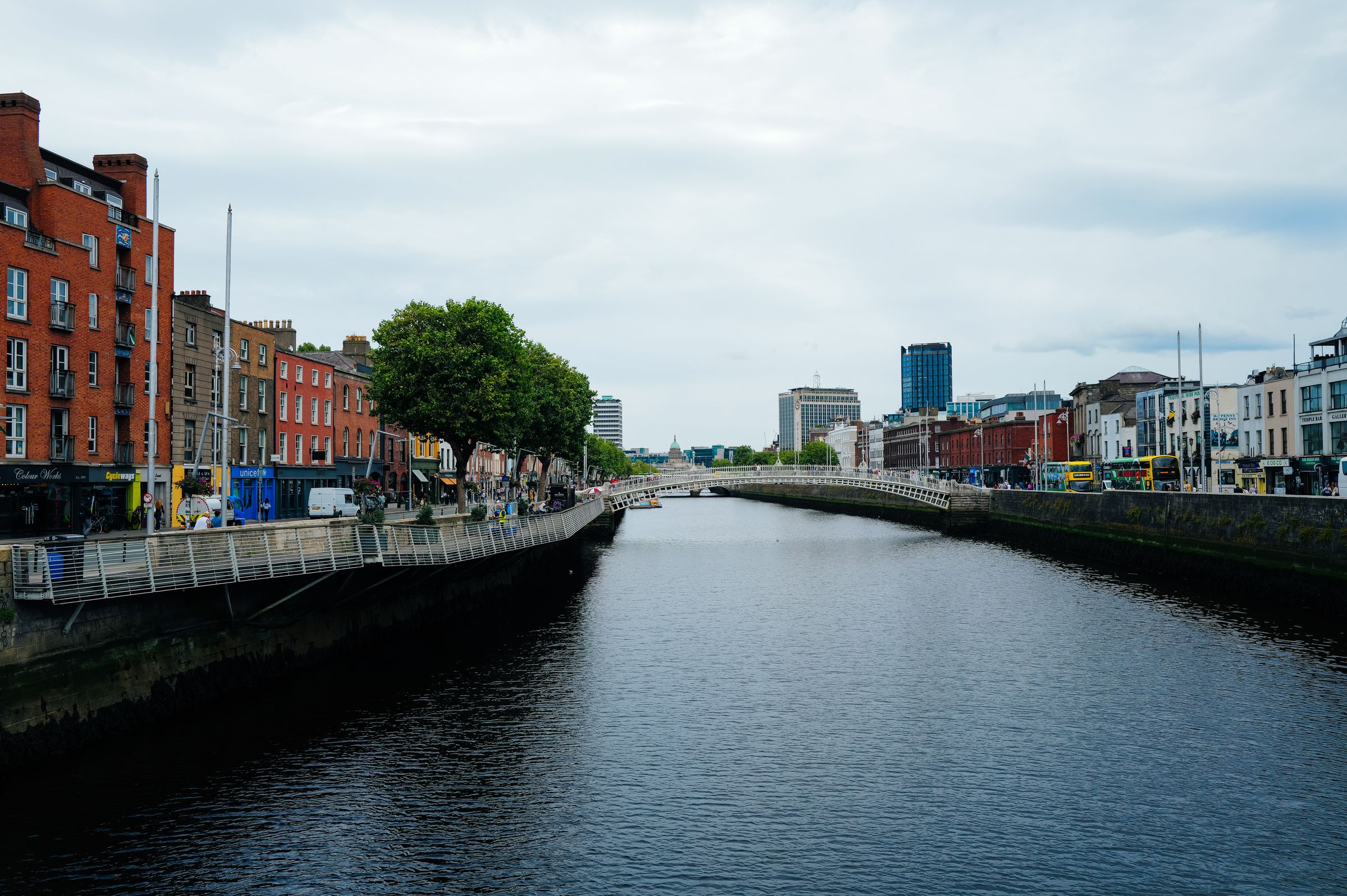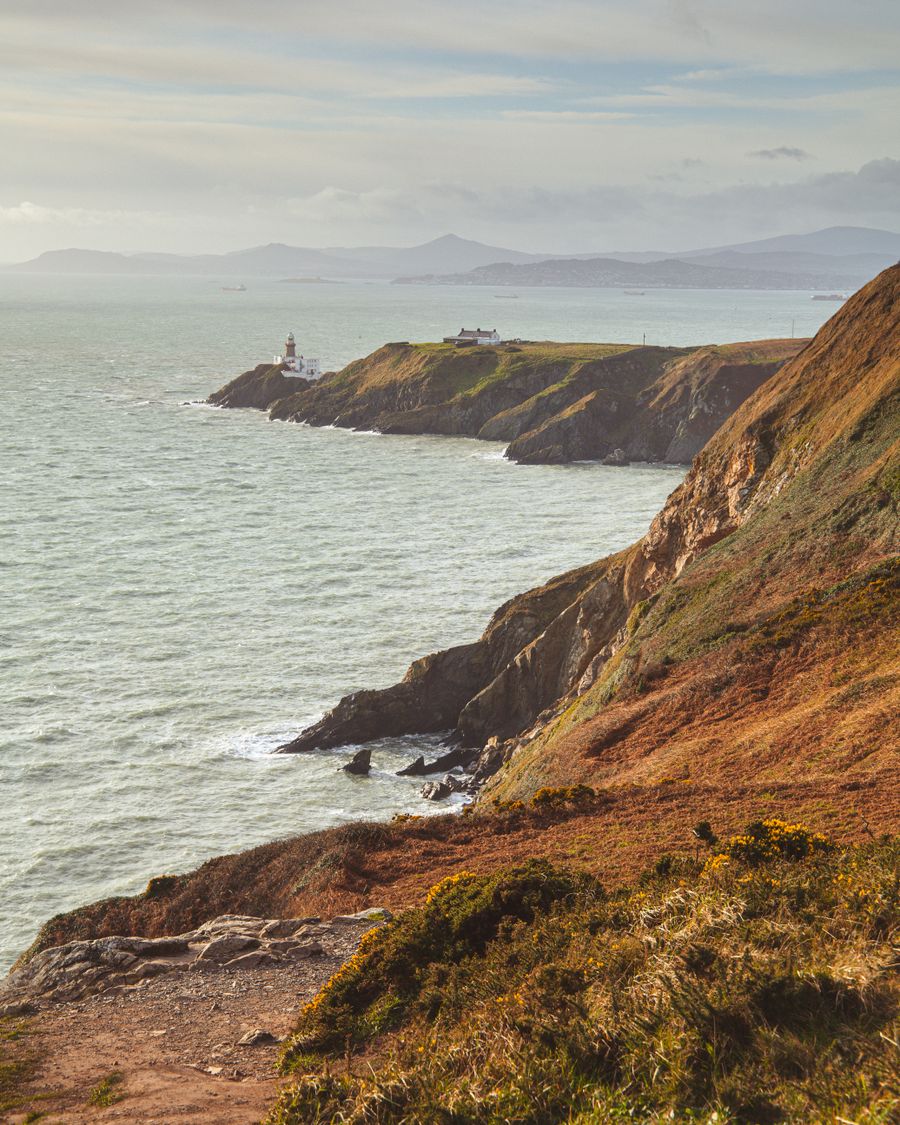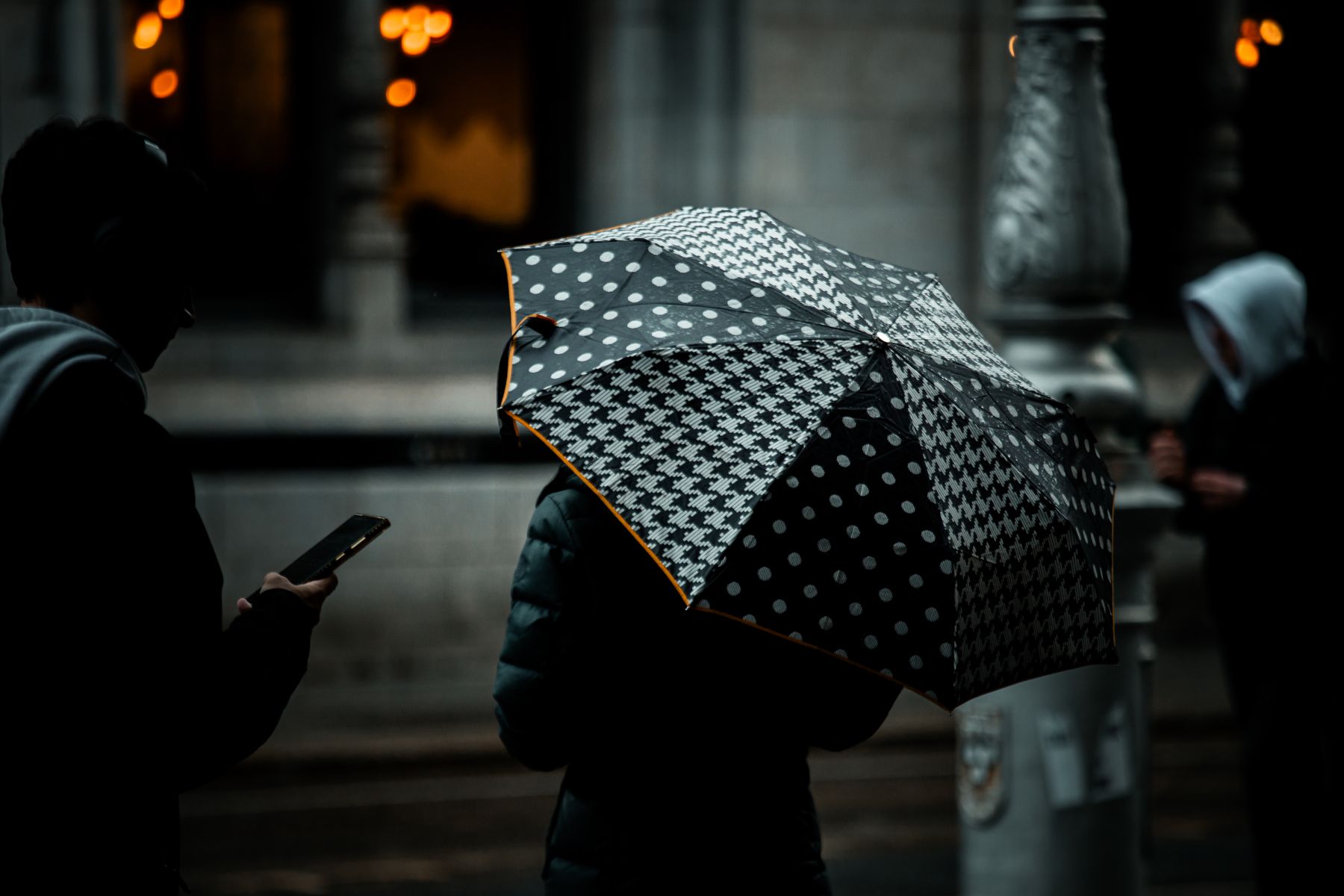
Ireland's winter weather is defined by Atlantic depressions that bring frequent rain and strong winds, especially along the west coast. In Dublin, January averages around 5°C, but wind chill can make it feel below freezing. Galway is wetter, with rain on roughly 20 days per month in winter, and Kenmare in Kerry records some of the highest rainfall in the country. The key is to prepare for horizontal rain and gusts that can turn an umbrella inside out. Forget fashion umbrellas; a hooded waterproof shell is essential.
The Wind and Rain Reality
Your first layer should be a waterproof and windproof shell with a hood, taped seams, and a breathable membrane. Look for brands like Patagonia, Columbia, or Regatta; expect to pay between €80 and €200. Avoid heavy winter coats that soak up water; instead, choose a lightweight shell that you can layer under. For trousers, water-resistant softshell pants or quick-dry hiking trousers are better than jeans, which stay wet and cold. A cheap pair of waterproof over-trousers (around €30) can be a trip-saver for outdoor activities like visiting the Cliffs of Moher or Killarney National Park.
Insulation and Base Layers
Under the shell, you need insulation that retains warmth even when damp. Merino wool base layers (150-200g) are ideal: they regulate temperature, resist odour, and dry quickly. Icebreaker and Smartwool are reliable; a set costs about €70-€100. Mid-layers could be a fleece jacket (Patagonia Better Sweater or Decathlon's Quechua) or a lightweight down jacket if you run cold. Down is fine as long as it stays dry under the shell. Avoid cotton next to the skin; it holds moisture and chills you when you stop moving.
For footwear, waterproof hiking shoes or boots with good traction are essential for navigating wet pavements and muddy trails. Brands like Merrell, Salomon, and Keen offer options from €100 to €180. Bring two pairs of wool socks and rotate them. In cities like Dublin, you might get away with waterproof leather boots, but for the Wild Atlantic Way, proper hiking boots are safer. A small daypack (20-25L) with a rain cover will keep your camera and layers dry. Don't forget a warm hat and gloves; a buff or neck gaiter adds versatility.
City Breaks vs. Countryside
If you're primarily in Dublin, you can pack slightly lighter. The city's streets are paved and public transport is reliable, so you won't need heavy hiking boots. A stylish waterproof coat and sturdy walking shoes suffice. However, if you plan day trips to Glendalough or Howth, bring the full layering system. Galway city is smaller but rainier; a rain jacket is non-negotiable. For a countryside stay in Killarney or Dingle, prioritize outdoor gear: waterproof jacket and trousers, hiking boots, and a warm fleece. Many hotels in these areas have drying rooms for wet gear, but it's wise to ask.
When booking accommodation, consider a hotel with a drying room or laundry facilities, especially if you're hiking. In Dublin, hotels like The Shelbourne or The Marker offer such amenities, but mid-range options like the Maldron or Jurys Inn also provide laundry services for a fee. In Galway, the g Hotel and The Twelve Hotel in Barna are good choices. For a rural experience, the Park Hotel Kenmare or Sheen Falls Lodge in Kenmare cater to outdoor enthusiasts. Booking directly with the hotel can sometimes secure a better rate or a free upgrade, so check before using a third-party site.
What to Skip and Final Tips
Skip the umbrella; it's useless in horizontal rain and wind. Also, leave the heavy wool coat at home; it's bulky and slow to dry. Instead, opt for synthetic insulated jackets that pack small and dry fast. Don't bother with fashion sneakers; they offer no traction on wet cobblestones. And while Ireland doesn't get extreme cold, the damp chill can be penetrating, so don't underestimate the value of a warm hat and gloves. A thermos for hot tea or coffee can be a comfort on long drives, but you can easily buy hot drinks along the way.
Finally, pack a small dry bag for electronics and important documents. Even with a waterproof jacket, pockets can leak. A universal adapter is necessary; Ireland uses Type G outlets. And remember, layers are your friend: you can always remove a layer if you warm up, but you can't add what you didn't bring. For more detailed weather forecasts, check Met Éireann before heading out. And when you book your hotel, look for one that offers a cozy lounge with a fire—perfect for drying out after a day in the elements.