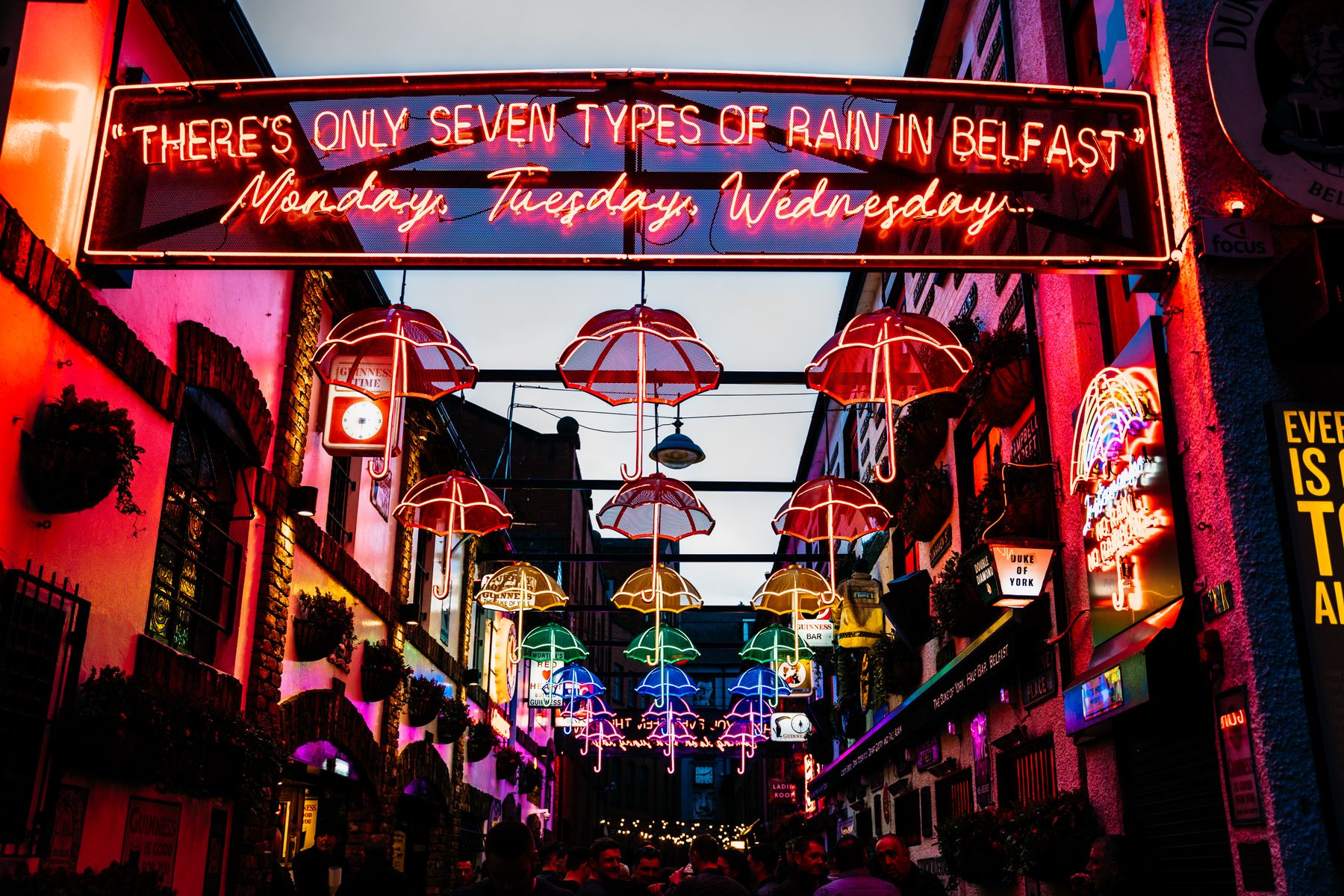
A session is not a concert. It is an informal gathering of musicians, usually in a corner of a pub, playing reels, jigs, hornpipes and the occasional slow air, with no stage, no tickets and no fixed start time. In Dublin the reliable ones cluster around Temple Bar, but the better playing is often in pubs on the north side of the Liffey or out towards Stoneybatter and Smithfield. Galway sessions tend to start later, often after 9.30pm, and in Dingle the small bars off Main Street fill quickly in July and August.
What a Session Actually Is
The instruments you will see most are fiddle, flute, tin whistle, bodhrán, concertina and banjo, with a guitar or bouzouki for backing. Sets are played in unison, not arranged, so tunes begin when someone launches into one and others join within a bar or two. Expect no between-song announcements, no setlist and no encore. A good session runs in waves of forty minutes or so, with gaps for conversation and a fresh drink.
Etiquette, Volume and Timing
Sit near enough to hear but not so close that you are part of the circle unless invited. Talking loudly through a slow air is the one thing that genuinely irritates players; quiet chat during a reel is fine. Applause after a set is welcome and brief. Photography is usually acceptable without flash, but filming a whole set on a phone held above heads is not. If you want to record, ask the person nearest you first, and put the phone down afterwards.
Timing matters more than most visitors expect. Sessions in Dublin often begin around 9pm midweek and 6pm on weekends; in Galway and Cork, later. Sunday afternoon sessions exist and are gentler, good if you have children with you. Admission is free, but the pub expects you to buy drinks, and a soft drink counts. Some pubs pass a hat or a fiddle case around at the end. Two euros is fine; nothing is expected if you have already been buying rounds.
Where to Go, and Where to Stay
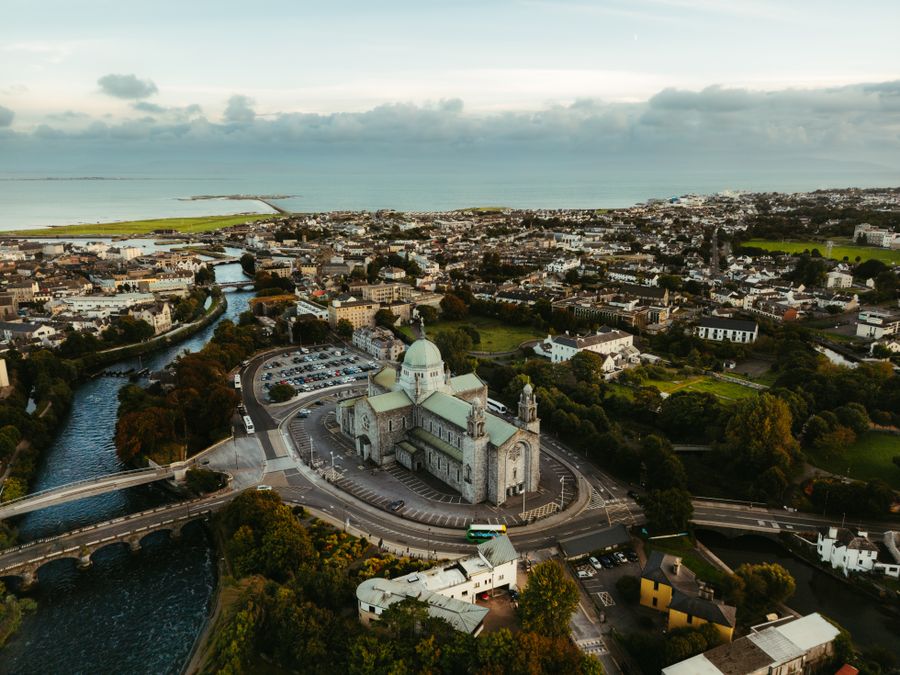
For a first trip, base yourself in Galway rather than Dublin. The city is compact, the session density per street is higher, and you can walk from Eyre Square to the Claddagh in fifteen minutes. From Galway you can reach Dingle in about three hours by car via Limerick and Tralee, or Connemara in under an hour. Dublin suits a shorter stay: the DART runs from Connolly and Tara Street stations out to Dún Laoghaire in twenty-five minutes, and there are lunchtime sessions in some city-centre pubs.
Book accommodation within walking distance of where you plan to spend the evening, because sessions finish late and rural taxis are scarce. In Galway, the Latin Quarter and Woodquay are close to the main rooms; in Dingle, anything on or just off Main Street works. In Dublin, staying in Smithfield or Stoneybatter puts you near the more local playing and a twenty-minute walk from O'Connell Bridge. For a three-night music-focused trip I would book Galway over Dublin, and add two nights in Dingle in May, June or September to avoid August crowds.
What to Skip and What to Bring
Skip the purpose-built 'traditional music pubs' that advertise sessions hourly on sandwich boards along Temple Bar. Some are good; many are loud, expensive and over within thirty minutes. Ask at an independent record shop or a music instrument shop where the players go that week, and go there. Also skip the big staged show with dancing and a interval if you want the real thing, though it is a reasonable choice if you are travelling with people who want a guaranteed start time, seating and a ticket.
Bring nothing but a little cash and the willingness to stay quiet. Doors close when the last musician leaves, which can be after midnight. If you are driving, remember that rural roads in Kerry and west Galway are narrow and unlit, and a late session plus an hour's drive is a poor combination; stay in town instead. Late spring and early autumn give you the best balance of session quality and available rooms.