In Ireland, self-catering covers everything from a converted stone cottage on the Dingle Peninsula to a two-bedroom apartment above a shop in Galway's Latin Quarter. Most properties are let by the week in July and August, with Saturday-to-Saturday changeovers common along the Wild Atlantic Way. Outside high season, three-night weekends are the norm and often the only way to book a short break. Ask about the changeover day before you fix flights, because a Saturday-only arrival can strand you in Dublin or Shannon for a night.
What self-catering actually means in Ireland
Facilities vary more than hotel standards do. A "fully equipped kitchen" may mean a dishwasher and Nespresso machine, a two-ring hob and a kettle. Linen and towels are usually included but not always; some owners charge a supplement per person. Look for the words "linen hire" in the listing and clarify by email. Irish self-catering is typically priced per property, not per person, which makes it good value for groups of four or more and less so for couples travelling alone.
Where it works best: cities, coasts and timing
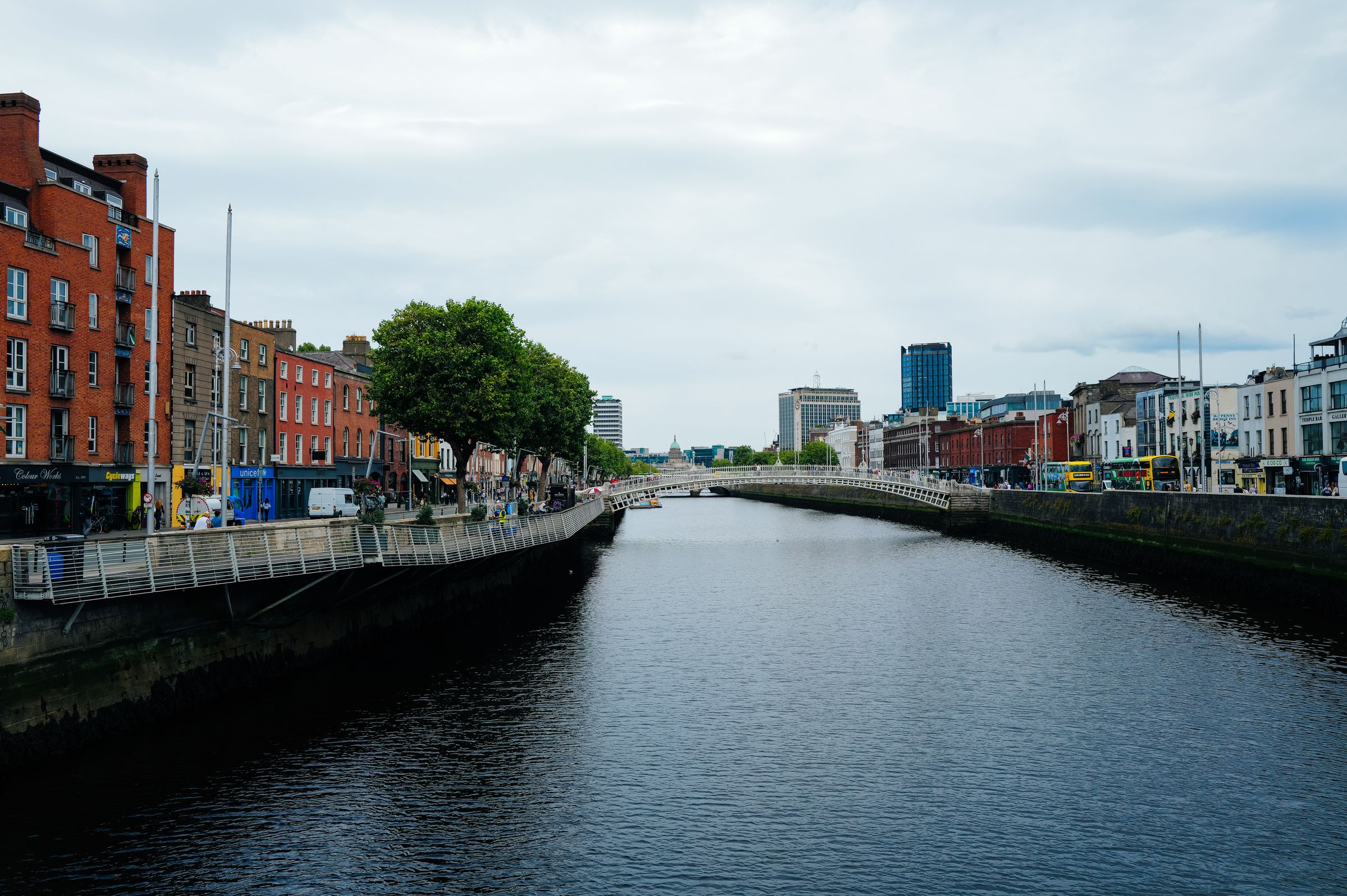
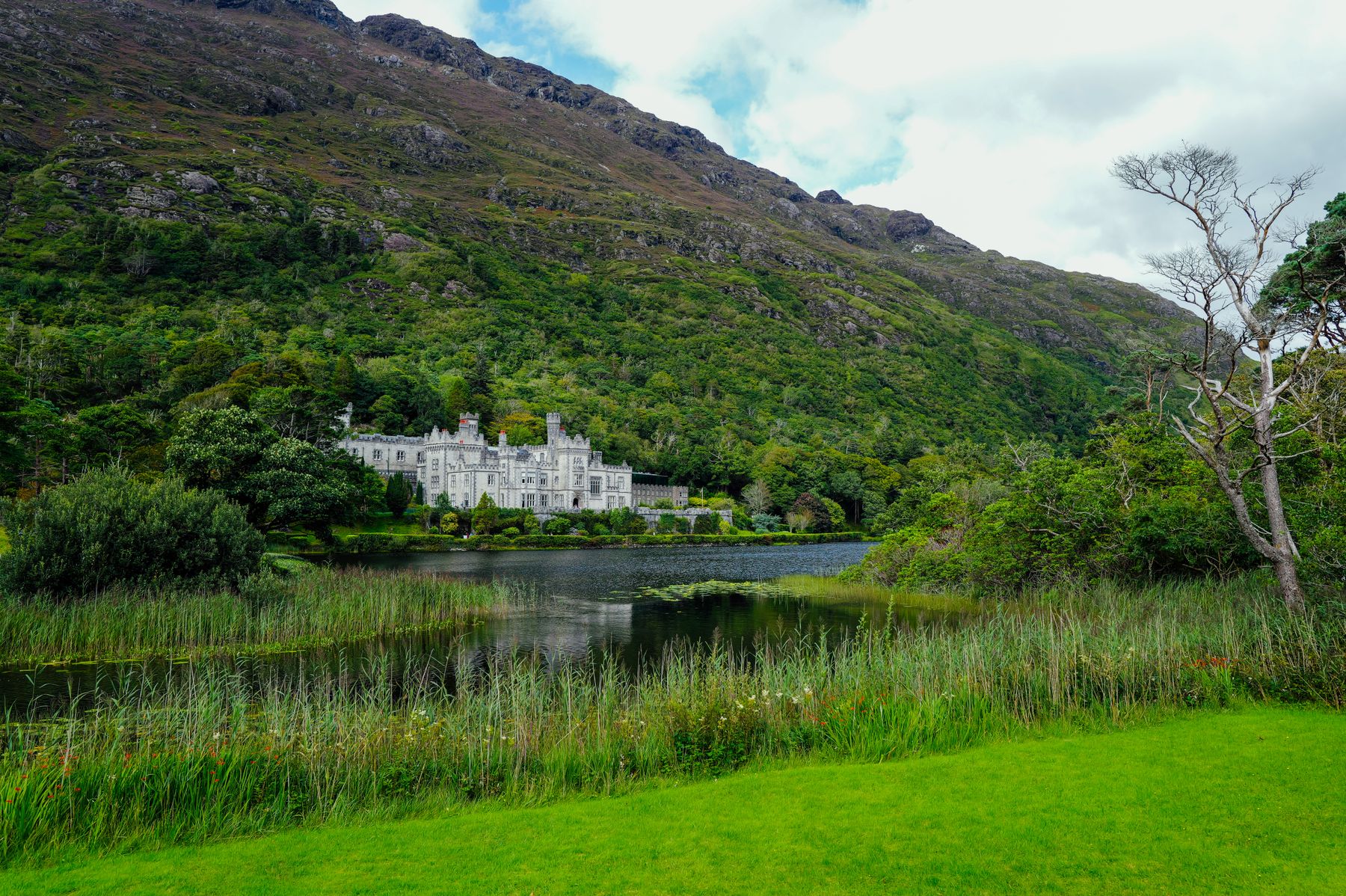
Dublin is the weakest self-catering market for short trips. Apartments in the city centre, around Smithfield and Stoneybatter, often carry minimum stays of five to seven nights in summer, and a weekend in a Dublin hotel is usually cheaper and simpler. Self-catering pays off in Galway, where apartments near Eyre Square and the Claddagh let you walk to the Saturday market and drive to Connemara in under an hour, and in Killarney, where townhouses on the Kenmare Road put Killarney National Park and the Ring of Kerry on your doorstep.
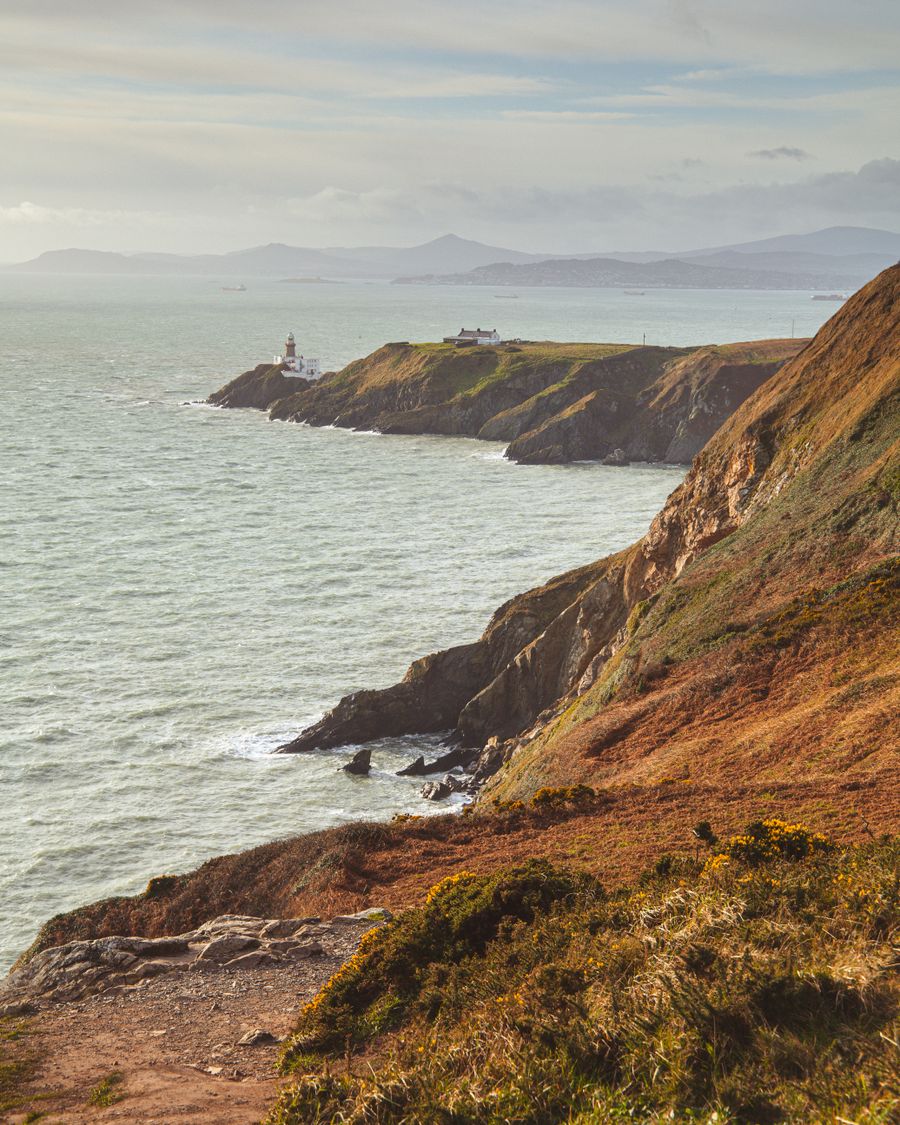
Coastal cottages suit longer stays. A week in a house near Westport gives you Achill Island, Clew Bay beaches and Croagh Patrick within 45 minutes, while a Dingle base covers Slea Head, Ventry and the Conor Pass. Book coastal property by February for a July or August week; by April, most sea-view houses in Kerry and Clare are gone. May, June and September are the sweet spots: cheaper than August, quieter, and with daylight until nearly 11pm in June.
Costs, heating and the fine print
The headline weekly rate rarely tells the whole story. Many Irish cottages meter electricity or charge a heating supplement, especially between October and April, when an old stone house can be cold and expensive to warm. Ask how heating is billed: a flat fee, a meter reading on arrival and departure, or an honesty box. Also confirm the security deposit, usually taken by card pre-authorisation and refunded within a week, and the cleaning charge, which is increasingly separate rather than rolled into the rate.
Check cancellation terms carefully. Irish self-catering bookings commonly require a deposit of around a third at the time of booking, with the balance due four to six weeks before arrival, and deposits are often non-refundable. Travel insurance that covers rental deposits is worth the small cost. If your plans are firm, book direct with the owner where possible; if they may shift, a hotel with free cancellation is the safer choice, and most Irish hotels offer exactly that on flexible rates.
What I would book, and what to skip
For a first trip of five nights or fewer, I would book a hotel in Dublin or Galway and use self-catering only for the second half of the trip. A three-bedroom cottage outside Westport or Kenmare for four nights, followed by two nights in a city hotel, gives you space and flexibility without the weekly commitment. For families or two couples travelling in July, a full week in a coastal house wins on value every time, provided you book by late winter and confirm heating and linen in writing.
Skip remote rural cottages if you have no car. Rural Ireland's rail and bus network is thin, and a cottage five kilometres from the nearest village becomes a taxi-dependent stay. Skip properties with no recent photographs of the kitchen and bathroom, and be wary of listings that quote a nightly rate but hide a weekly minimum in the terms. If a listing shows no address beyond a town name, ask for the townland before paying a deposit.