County Leitrim and Roscommon are the quietest stretch of Ireland most visitors skip entirely. Around Carrick-on-Shannon the Shannon widens into Lough Key and Lough Allen, with forest parks at Lough Key and peaceful lanes running south towards Strokestown. Guesthouses and small hotels in villages such as Keshcarrigan, Dromod and Boyle typically sit in the mid-range bracket, with rooms in converted farmhouses often cheaper than anything comparable in Galway. From Dublin it is roughly two hours by car on the M4 and N4, and the rail line to Sligo stops at Dromod and Boyle, which helps if you would rather not drive every day.
The Midlands: lakes, bogs and small-town guesthouses
Spring and early autumn are the sweet spots here: the bogs colour up, the lakes are empty, and the midges are less of a nuisance than in high summer. I would book a place with a garden and a proper breakfast rather than a roadside motel-style stop, because the draw is the slow mornings. Ask whether the room faces the lake or the road before you commit, and check whether evening food is available in the village, since rural kitchens close early outside summer weekends.
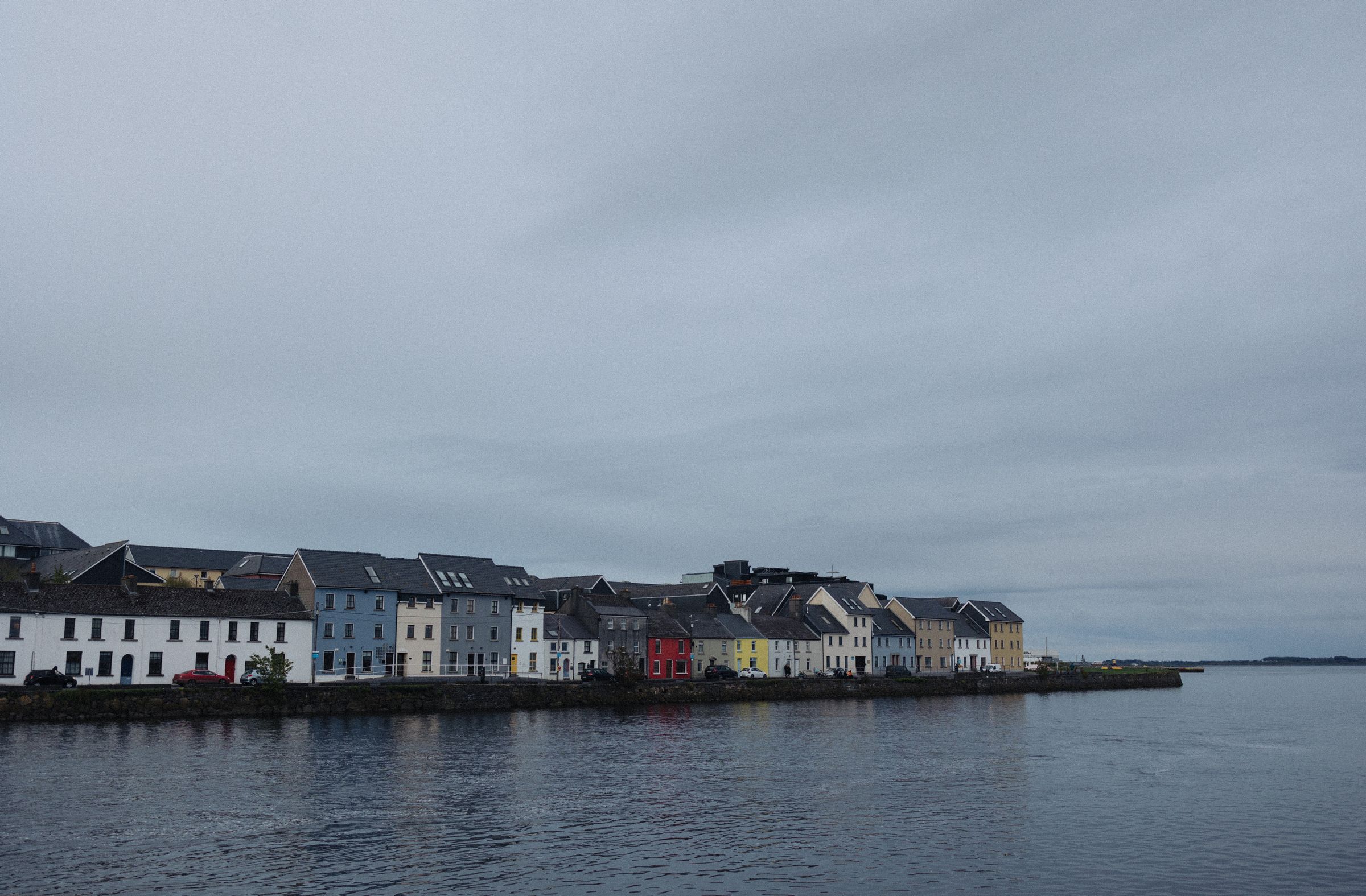
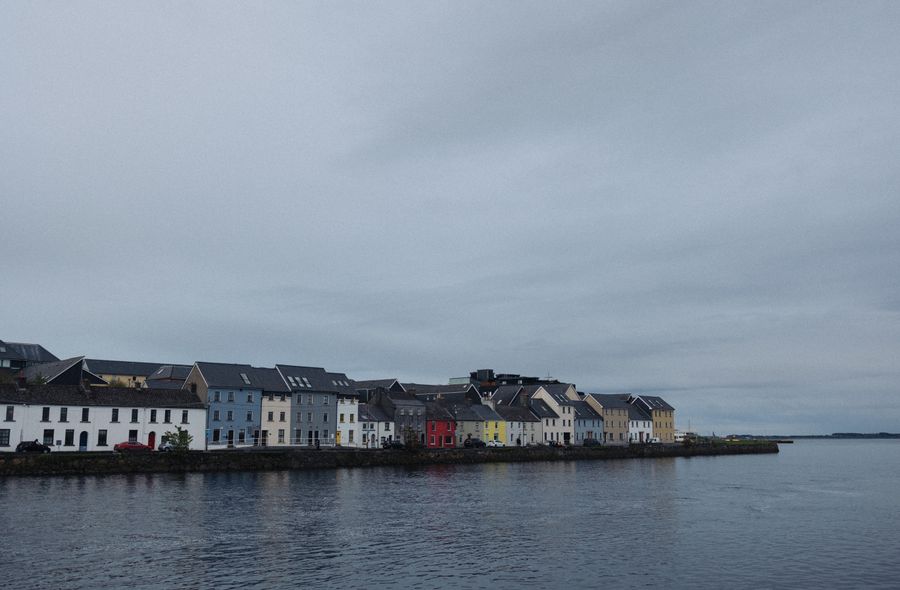
The west coast beyond Galway city
Once you leave Galway city, the coast from Spiddal into Connemara changes character quickly. Villages such as Roundstone, Ballyconneely and Leenane have small hotels and guesthouses where the sea or the Twelve Bens are the view from the window. Expect to pay more in July and August than in May or October, and expect many places to close entirely from November to February. The drive from Galway city to Clifden is about 80 kilometres and takes roughly an hour and a half on the N59, longer if you stop at Kylemore Abbey or the Connemara National Park visitor centre at Letterfrack.
If silence is the priority, I would choose a house a few kilometres outside Clifden or Westport rather than in the town itself, and check whether the property is on a working farm. Farm stays in this part of Mayo and Galway are genuinely quiet, though you should confirm whether the room has a private bathroom. For a shorter trip, base near Westport and use the Greenway and the Achill road for day trips instead of moving hotels every night.
The south-east: Waterford, Wexford and the Copper Coast
The stretch between Tramore and Dungarvan, known as the Copper Coast, is a UNESCO Global Geopark of small coves and cliff walks with very few beds compared with Kerry. Villages such as Bunmahon and Stradbally have a handful of guesthouses; larger choices sit in Dungarvan and Waterford city. From Waterford city, Dungarvan is about 50 kilometres on the N25, roughly 45 minutes. Wexford's quieter eastern side, around Kilmore Quay and the Saltee Islands ferry, offers similar calm with more B&B choice and a shorter hop from Rosslare ferry port if you are arriving by sea.
July and August fill up with domestic holidaymakers, so book the coastal villages well ahead; May, June and September are calmer and often cheaper. I would skip the larger holiday caravan parks around Tramore if you want peace, and instead look at a guesthouse inland near the River Suir, where you can combine Waterford's museums and the Comeragh Mountains walk without traffic. Ask about parking before booking, as several town-centre properties have none.
The north-west: Donegal and Sligo
Donegal is the largest county in Ulster and among the least crowded, with small hotels scattered along the coast from Killybegs to Dunfanaghy and inland around Letterkenny. Sligo town makes a practical base for Benbulben and the Glencar valley, but staying in a village such as Grange or Mullaghmore puts you closer to the sea and the mountain without the town traffic. Distances are deceptive: Sligo to Dunfanaghy is roughly 120 kilometres and can take over two hours on winding roads, so plan fewer stops rather than more.
This is the region I would book first for a quiet week, particularly in late May or September when the light is long and the roads are empty. Choose a hotel with a restaurant, because rural Donegal has few evening options outside the towns, and confirm whether the property is on the Wild Atlantic Way route if you want sea views. Skip the bank-holiday weekends if you can, when even remote villages fill with visitors.